
Discover the secrets to perfectly ripe, flavorful fruits grown in Miami’s unique climate! This guide, updated April 1st, 2026, utilizes resources like the Miami-Dade Fruit & Spice Park’s seasonal information.
Understanding Miami’s Climate for Fruit Ripening
Miami’s subtropical climate presents a unique environment for fruit cultivation and ripening. Characterized by warm temperatures, high humidity, and distinct wet and dry seasons, it significantly impacts fruit development. The prolonged warm periods accelerate ripening processes compared to temperate zones.
Consistent sunshine is crucial, providing the energy needed for sugar development – a key indicator of ripeness. However, the intense summer heat can sometimes lead to rapid, uneven ripening, or even sunscald. The rainy season, while providing essential moisture, also increases the risk of fungal diseases that can affect fruit quality. Understanding these climatic nuances is vital for successful fruit harvesting and enjoying peak flavor, as highlighted by resources like the Miami-Dade Fruit & Spice Park’s insights into seasonal growing.
Tropical vs. Subtropical Fruits in Miami
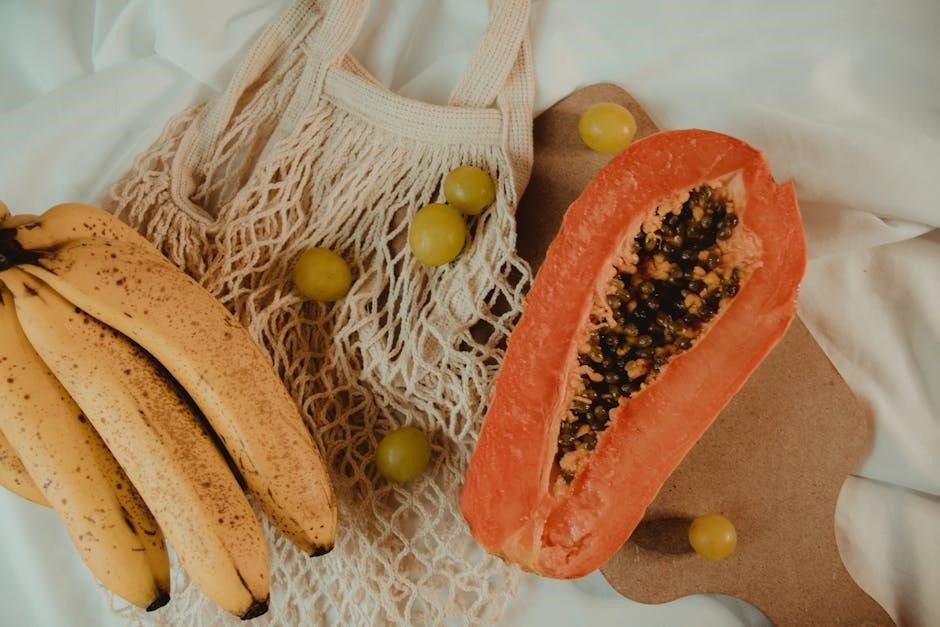
Miami’s climate supports both tropical and subtropical fruits, but their ripening behaviors differ significantly. Tropical fruits, like mangoes and papayas, require consistently warm temperatures and high humidity to ripen properly, thriving in the heat. They generally ripen quickly once mature, demanding close monitoring.
Subtropical fruits, such as avocados and citrus, exhibit more tolerance to cooler temperatures. Their ripening is often slower and more gradual, influenced by seasonal changes. Understanding this distinction is crucial for timing harvests correctly. Resources from places like the Miami-Dade Fruit & Spice Park demonstrate the diverse range of fruits and their specific needs, ensuring optimal flavor and texture are achieved at harvest.
Commonly Grown Fruits in Miami
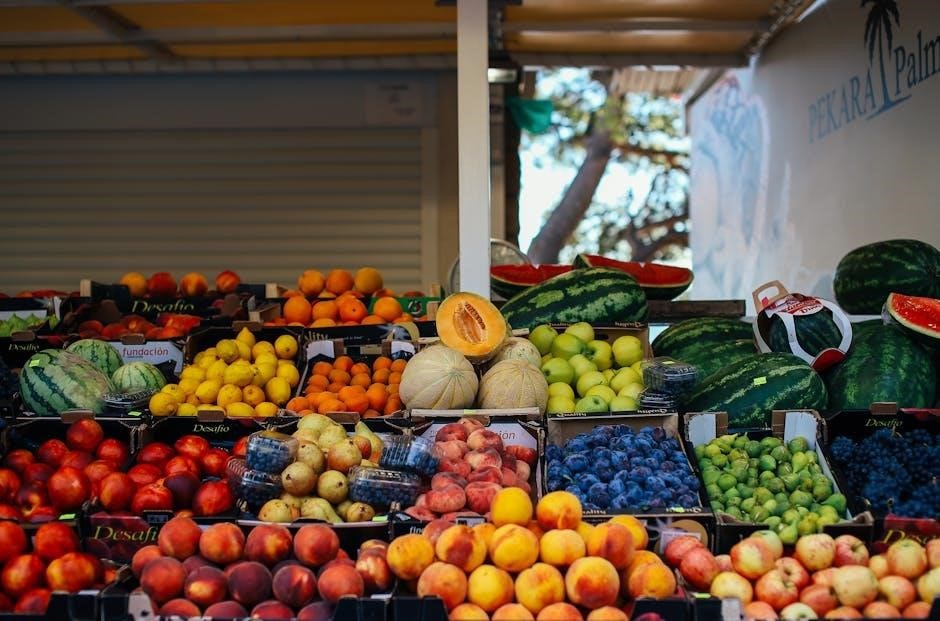
Miami’s fertile soil and warm climate foster a vibrant array of fruit cultivation. Mangoes are arguably the most iconic, alongside avocados, offering diverse varieties. Citrus fruits – oranges, grapefruit, and limes – flourish, providing year-round harvests. Tropical delights like papayas, lychees, and longans also thrive.
Guavas are prevalent, showcasing numerous types with varying ripening characteristics. Pineapples, while requiring specific conditions, are successfully grown. The Miami-Dade Fruit & Spice Park highlights this impressive diversity, offering insights into what’s currently in season. Successful ripening depends on understanding each fruit’s unique needs and utilizing local resources for guidance.
Mango Ripening Guide
Mangoes, a Miami staple, require patience and observation for optimal ripening. Color change isn’t always reliable; green mangoes can ripen beautifully. Gently squeezing the fruit offers a better indication – a slight give signals readiness. Smell near the stem end; a fragrant, fruity aroma indicates peak flavor.
Harvesting too early results in a starchy, unpleasant taste. Allowing mangoes to ripen on the tree maximizes sweetness. Post-harvest, store at room temperature for faster ripening, avoiding refrigeration until fully ripe. Understanding variety-specific characteristics enhances the process, ensuring a delicious tropical experience.
Identifying Mango Ripening Stages
Mango ripening progresses through distinct stages, demanding careful observation. Initially, the fruit remains entirely green, firm to the touch, and lacking aroma. As it matures, a subtle color break appears – yellows or reds blush the skin, though green often persists. Gentle pressure reveals a slight softening, indicating internal changes are underway.
The most reliable sign is the fragrant, sweet aroma emanating from the stem end. Fully ripe mangoes yield to gentle pressure and possess a vibrant, tropical scent. Avoid relying solely on color, as varieties differ significantly. Consistent monitoring throughout these stages ensures peak flavor and texture.
Optimal Mango Harvesting Time
Determining the ideal mango harvest time requires balancing maturity and preventing premature drop. In Miami’s climate, mangoes typically ripen from late spring through summer, peaking around July-August. Harvest when the fruit displays a noticeable color break and yields slightly to gentle pressure – avoid squeezing too hard!
A ripe mango will also exhibit a fragrant aroma near the stem. For optimal flavor, harvest when nearly mature on the tree, allowing them to finish ripening off the vine. This prevents pest damage and ensures a sweeter, more flavorful fruit. Monitor trees frequently during peak season for best results.
Avocado Ripening Guide
Miami’s warm climate supports a variety of avocado types, each with unique ripening characteristics. Successfully ripening avocados hinges on understanding these differences. Unlike many fruits, avocados don’t ripen on the tree; they require post-harvest maturation. Gently pressing near the stem is the most reliable indicator of ripeness – a slight yield signifies readiness.
Color changes can be misleading, varying by variety. Patience is key; place firm avocados in a paper bag with a banana or apple to accelerate ripening due to ethylene gas. Regularly check for desired softness, and refrigerate once ripe to slow further maturation.
Hass vs. Other Avocado Varieties & Ripening
Hass avocados, recognizable by their pebbly, dark skin, are the most commercially available in Miami. They transition from green to nearly black when ripe, though color isn’t always definitive. Other varieties, like Choquette or Lula, remain green even when ready to eat, demanding reliance on the touch test.
Hass avocados generally ripen within 4-7 days at room temperature. Local Miami varieties may take slightly longer. Understanding these differences is crucial for avoiding disappointment. Remember, all avocados ripen best off the tree, and benefit from ethylene-producing companions like bananas within a paper bag.
Checking Avocado Ripeness – Touch & Color
Determining avocado ripeness requires a combined assessment of touch and, for Hass varieties, color. Gently squeeze the avocado in the palm of your hand – it should yield to firm, gentle pressure. Avoid using fingertips, which can cause bruising. A rock-hard avocado is unripe, while a mushy one is overripe.
For Hass avocados, a dark green to nearly black color indicates ripeness, but this isn’t foolproof. Green-skinned varieties like Choquette rely solely on the touch test. If slightly firm, allow to ripen at room temperature. Refrigeration slows ripening, extending shelf life once ripe.
Citrus Ripening Guide (Oranges, Grapefruit, Limes)
Miami’s warm climate supports a prolonged citrus season, but knowing when fruits are truly ripe is key. Unlike some fruits, citrus doesn’t significantly ripen after picking, so harvest timing is crucial. Look for vibrant, uniform color – though variations exist between varieties. Oranges deepen from green to orange, grapefruit become yellow-pink, and limes transition from green to yellow.
However, color alone isn’t definitive. A slight give when gently pressed indicates ripeness. The Miami-Dade Fruit & Spice Park’s “in-season” guide highlights peak availability, helping you time your harvest for optimal flavor and sweetness.
Color Changes in Ripening Citrus Fruits
Observing color transformation is a primary indicator of citrus ripeness in Miami’s sunshine. Generally, oranges shift from a solid green hue to a bright, vibrant orange. Grapefruit undergo a similar change, evolving from green to shades of yellow and pink, depending on the cultivar. Limes, however, present a more subtle transition, moving from a deep green to a paler yellow when fully mature.
It’s important to note that color can be influenced by temperature; cooler periods may delay full color development. Relying solely on color isn’t foolproof, but it’s a valuable first step in assessing ripeness, especially when combined with other indicators.
Citrus Fruit Seasonality in Miami
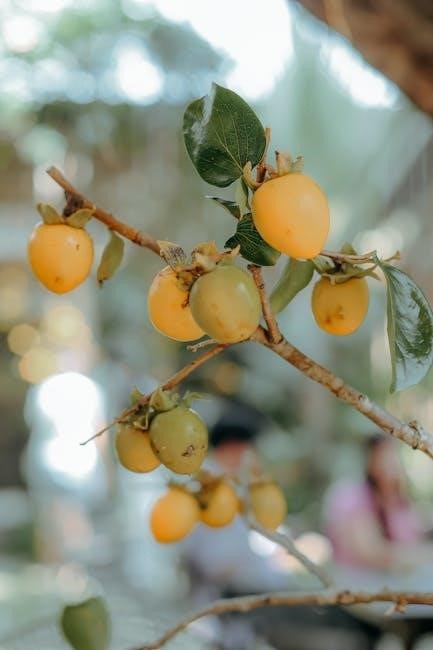
Miami’s warm climate allows for an extended citrus season, but peak availability varies. Oranges and grapefruits typically reach their prime from November through May, offering a sweet escape during cooler months. Limes, being more tropical, enjoy a longer season, often bearing fruit nearly year-round, with peak harvests from summer to fall.
The Miami-Dade Fruit & Spice Park’s “What’s In Season” guide highlights this abundance. Understanding these seasonal patterns ensures you’re enjoying citrus at its freshest and most flavorful, directly impacting taste and juice content. Local farmers’ markets are excellent sources for seasonal citrus.
Pineapple Ripening Guide
Selecting a ripe pineapple requires a keen understanding of its subtle cues. Unlike fruits that continue to ripen significantly after picking, pineapples primarily develop sweetness on the plant. Look for a golden-yellow hue, indicating maturity, though some green is acceptable. A firm, yet slightly yielding texture to gentle pressure is ideal.
The aroma is a crucial indicator; a sweet, fragrant scent at the base signifies ripeness. Resources like the Miami-Dade Fruit & Spice Park emphasize sourcing locally for peak flavor. Remember, a pineapple won’t ripen much further once harvested, so choose wisely!
Pineapple Ripening Indicators – Smell & Feel
Assessing a pineapple’s ripeness relies heavily on your senses of smell and touch. A truly ripe pineapple will emit a fragrant, sweet aroma, particularly noticeable at the base. This sweet scent is a key indicator of developed sugars. Gently squeeze the pineapple; it should yield slightly to pressure, but not be mushy.
Avoid pineapples that feel rock-hard, as they are likely underripe. The “shell” or outer skin should have a golden-yellow color, though some green is permissible. Remember, relying on color alone can be misleading; the combined assessment of smell and feel provides the most accurate indication of ripeness, as highlighted by local Miami resources.
Dealing with Underripe Pineapples
If you’ve selected an underripe pineapple, don’t despair! Unlike some fruits, pineapples won’t continue to ripen significantly after being harvested. However, you can still improve their flavor and texture. Store the pineapple at room temperature, ideally upside down, to encourage sugar concentration in the bottom portion.
While it won’t become dramatically sweeter, this method can enhance the perceived sweetness. Consider using underripe pineapple in cooked applications like salsas or grilled dishes, where the acidity complements the flavors. Remember, sourcing from local Miami growers during peak season increases your chances of selecting a perfectly ripe fruit.
Papaya Ripening Guide
Papayas offer a delightful tropical sweetness when perfectly ripe, and Miami’s climate is well-suited for their growth. Understanding the ripening process is key to enjoying this vibrant fruit. Initially, papayas are green and firm, gradually transitioning to a yellowish-orange hue as they mature. This color change isn’t the sole indicator; gentle pressure should yield slightly to confirm ripeness.
Locally sourced papayas from the Miami-Dade Fruit & Spice Park area often exhibit superior flavor. Remember that papayas don’t ripen further after picking, so select carefully for optimal enjoyment. A fragrant aroma is another sign of a ready-to-eat papaya.
From Green to Orange: Papaya Ripening Process
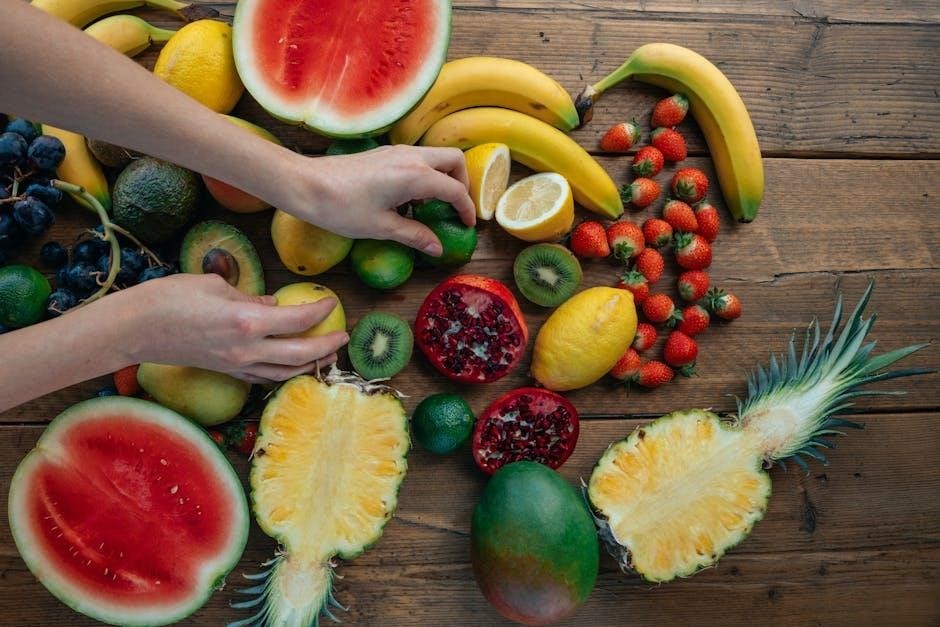
The transformation of a papaya from a hard, green fruit to a soft, orange delight is a fascinating process. Initially, the papaya is entirely green, indicating its unripened state and firm texture. As it matures, chlorophyll breaks down, revealing vibrant yellow undertones that progressively intensify.
This color change spreads across the fruit’s skin, eventually culminating in a rich, orange hue. Simultaneously, the papaya softens, becoming gently yielding to the touch. This softening is due to enzymatic activity breaking down complex carbohydrates. A sweet, musky aroma develops, signaling peak ripeness and readiness for consumption – a true taste of Miami!
Storing Papayas for Optimal Ripening
Proper storage is crucial for enjoying perfectly ripe papayas, especially in Miami’s warm climate. If your papaya is still green, leave it at room temperature, away from direct sunlight. Placing it in a paper bag with an apple or banana can accelerate ripening due to ethylene gas production.
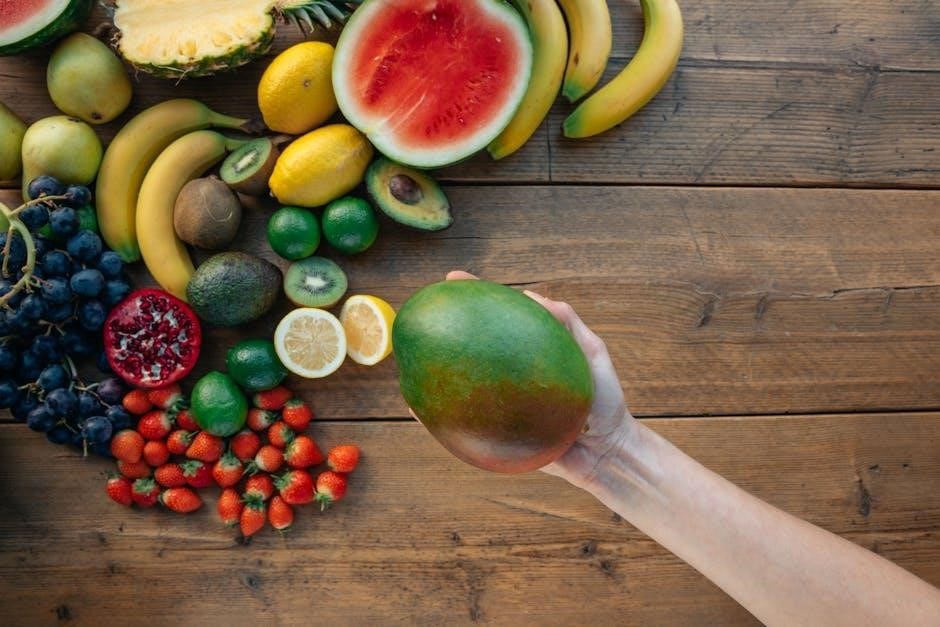
Check daily for softening and color change. Once ripe, transfer the papaya to the refrigerator to slow down further ripening, extending its shelf life for a few days. Avoid storing cut papaya for extended periods, as it quickly deteriorates. Enjoy the tropical sweetness – a Miami favorite!
Lychee & Longan Ripening Guide
Lychees and longans, exotic delights in Miami, require a keen eye for ripeness. These fruits don’t continue to ripen significantly after harvest, so selecting properly matured fruit is vital. Look for vibrant, evenly colored shells – a rosy red for lychees and a light brown for longans. Gently squeeze; a slight give indicates readiness.
Avoid fruits with cracked or damaged shells. Once picked, store them refrigerated to slow down deterioration, but consume within a few days for optimal flavor. These delicate fruits are a true taste of the tropics!
Recognizing Ready-to-Eat Lychees & Longans
Determining ripeness in lychees and longans relies on visual and tactile cues. For lychees, a fully developed, bright red shell (though color varies by variety) signifies maturity. The shell should yield slightly to gentle pressure, indicating juicy flesh inside. Longans are ready when their shells turn a light brown and feel slightly springy.
Avoid fruits with green patches or overly hard shells, as these are likely underripe. A fragrant aroma is also a good indicator. Remember, these fruits don’t ripen much further off the tree, so choose wisely!
Post-Harvest Handling of Lychee & Longan
Proper handling after harvesting is crucial for maintaining the quality of lychees and longans. These delicate fruits are best stored in the refrigerator, ideally between 32-40°F (0-4°C), with high humidity. Place them in perforated plastic bags to prevent moisture loss, but allow for air circulation.
Lychees and longans have a relatively short shelf life, typically lasting only a week or two even under optimal conditions. Avoid stacking them too deeply to prevent bruising. Consume promptly for the best flavor and texture, enjoying their unique tropical sweetness!
Guava Ripening Guide
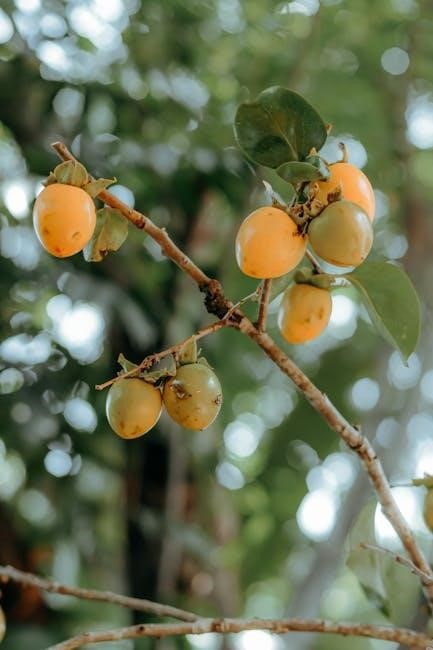
Guavas offer a delightful tropical flavor, but knowing when they’re ripe is key. Miami’s warm climate supports several guava varieties, each with slightly different ripening characteristics. Generally, guavas don’t change color dramatically when ripe, making it tricky to judge maturity by sight alone.
Instead, rely on touch and smell. A ripe guava will yield slightly to gentle pressure, similar to a ripe avocado. It will also emit a strong, sweet fragrance. Unripe guavas are hard and have a tart, almost astringent taste. Enjoy them fresh, in juices, or preserves!
Guava Varieties and Ripening Differences
Miami boasts a diverse range of guava types, impacting their ripening process. Strawberry guavas, known for their pink flesh, often exhibit a slight blush when ripe, alongside softening. Cuban guavas, typically larger and with white flesh, rely more heavily on the ‘give’ test – yielding to gentle pressure.
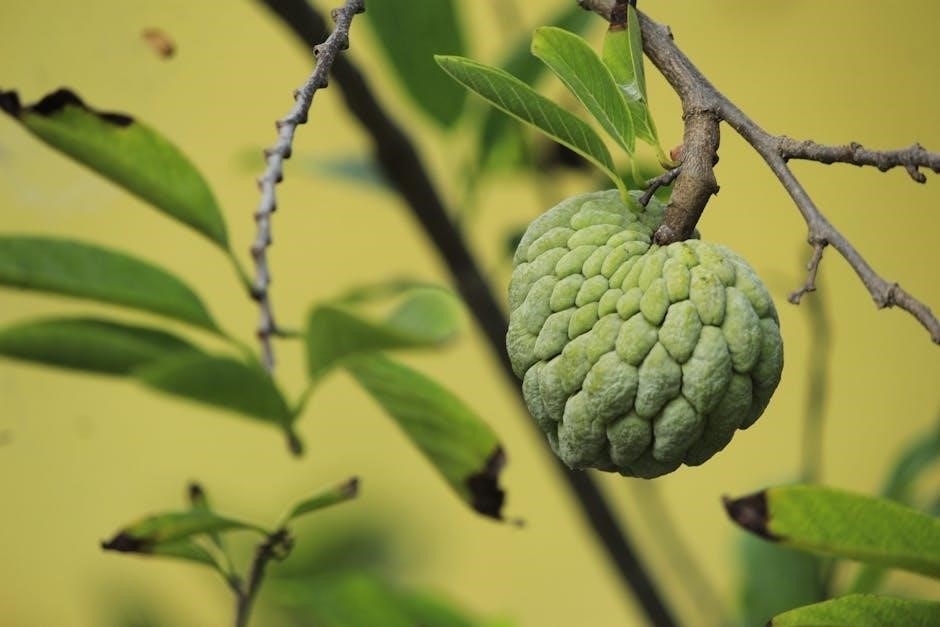
Mexican guavas, smaller and tart, may retain a firmer texture even when fully ripe. Thai guavas are often enjoyed when slightly less ripe, offering a crisp texture. Understanding these nuances ensures you harvest and enjoy each variety at its peak flavor and texture, maximizing your tropical fruit experience.
Ripeness Indicators for Different Guava Types
Determining guava ripeness requires a tailored approach based on the variety. For strawberry guavas, look for a subtle color change from green to yellowish-pink and a slight give when gently squeezed. Cuban guavas will yield to pressure, becoming softer but not mushy.
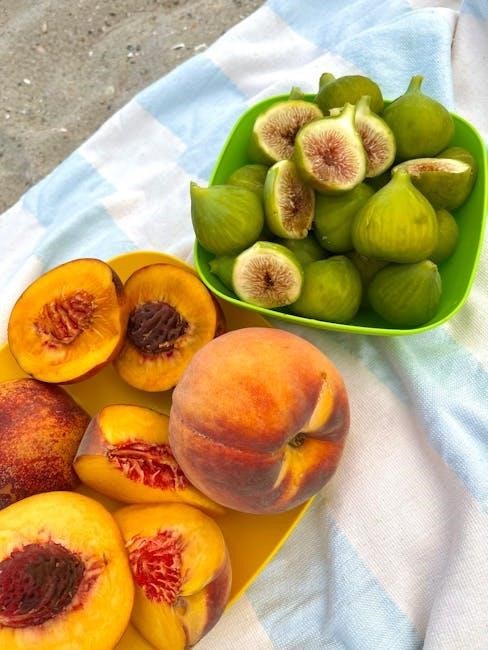
Mexican guavas are best when fragrant and slightly softened, while Thai guavas can be enjoyed firmer. A key indicator across all types is the aroma – a sweet, musky scent signals ripeness. Observe the seeds; they should transition from pale to dark. Consistent checking is vital for optimal flavor!