

Juicing offers a convenient way to consume nutrient-rich foods, potentially aiding weight management.
Discover how readily available PDF resources can enhance your journey,
providing diverse recipes for optimal results and a healthier lifestyle.
Online calculators and AOL messaging issues are unrelated to the benefits of juicing for weight loss.
What is Juicing?
Juicing is the process of extracting juice from fresh fruits and vegetables, separating the liquid from the solid pulp. Unlike blending, which utilizes the entire fruit or vegetable, juicing focuses on delivering concentrated nutrients in an easily digestible form. This method allows for a higher intake of vitamins, minerals, and antioxidants with less fiber.
Many individuals explore juicing as a component of a weight loss strategy, often utilizing readily available PDF guides containing diverse recipes. These PDF resources frequently categorize recipes based on specific goals, such as detoxification, energy boosting, or, specifically, weight management. The convenience of downloadable recipes allows for easy access and customization.
However, it’s crucial to remember that online calculators and email service disruptions (like those experienced with AOL) are entirely separate from the health benefits of juicing. Focusing on nutrient-dense juices, guided by reliable PDF recipes, can be a positive step towards wellness.
Benefits of Juicing for Weight Loss
Juicing can support weight loss through several mechanisms. The concentrated nutrients in fresh juices provide essential vitamins and minerals, potentially reducing cravings and boosting metabolism. Lower calorie intake, when juicing replaces higher-calorie meals, can contribute to a calorie deficit. Many PDF recipes emphasize low-sugar fruit combinations to further manage caloric intake.
Furthermore, the readily absorbed nutrients can enhance energy levels, supporting increased physical activity. Accessing PDF guides with tailored recipes simplifies incorporating juicing into a weight loss plan. These resources often detail the nutritional benefits of each ingredient.
It’s important to note that issues with online tools like calculators or email services (such as AOL’s messaging problems) don’t impact the potential health benefits of a well-planned juicing regimen, guided by reliable PDF recipes.
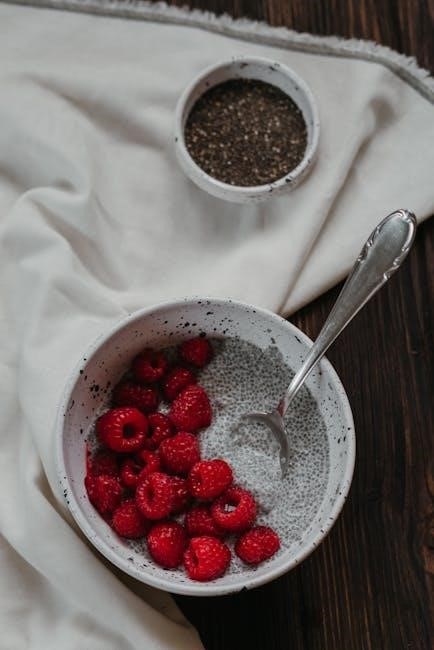
Understanding the Principles of Weight Loss with Juicing
Juicing supports weight loss by focusing on nutrient intake and calorie control. PDF recipe collections offer structured plans,
complementing a balanced approach to health and wellness.
Calorie Deficit and Juicing
Juicing, when strategically incorporated, can contribute to a calorie deficit – a cornerstone of weight loss. Replacing higher-calorie meals or snacks with nutrient-packed juices reduces overall energy intake. However, it’s crucial to remember that juicing isn’t a magic bullet; mindful portion control remains essential.
PDF resources containing juicing recipes for weight loss often highlight lower-calorie ingredient combinations. These guides frequently emphasize the importance of balancing juice consumption with whole foods to ensure adequate satiety and prevent overeating. Utilizing these recipes allows for calculated calorie reduction while maximizing vitamin and mineral intake. Remember, online calculators can assist in tracking caloric intake alongside your juicing plan.
Successfully achieving a calorie deficit through juicing requires careful planning and awareness of ingredient quantities. Don’t solely rely on juice; a holistic approach is key.
Nutrient Density and Satiety
Juicing excels at delivering a concentrated dose of vitamins, minerals, and antioxidants – boosting nutrient density. However, the removal of fiber during juicing can impact satiety, potentially leading to increased hunger. Therefore, selecting juicing recipes focused on whole-food ingredients is vital.
PDF guides dedicated to juicing recipes for weight loss often emphasize incorporating ingredients like leafy greens and certain fruits that, despite fiber loss, contribute to a feeling of fullness. These resources may suggest adding small amounts of pulp back into the juice or pairing it with a protein-rich snack.
Maximizing nutrient intake while addressing satiety is crucial. Online calculators can help track macro and micronutrient consumption. Remember, a balanced approach combining juicing with fiber-rich foods is optimal.

Essential Juicing Ingredients for Weight Loss
PDF guides reveal that vibrant juicing recipes thrive on leafy greens, fruits, and vegetables. These ingredients deliver vital nutrients, supporting weight loss goals effectively.
AOL and online calculators are irrelevant to ingredient selection.
Leafy Greens: Spinach, Kale, and Lettuce
Leafy greens form the cornerstone of many effective juicing recipes for weight loss, as detailed in numerous PDF guides. Spinach, kale, and lettuce are nutritional powerhouses, incredibly low in calories yet packed with vitamins, minerals, and fiber – though juicing removes most fiber.
Spinach offers a mild flavor, blending well with fruits to mask any bitterness. Kale, while more robust, provides a significant antioxidant boost. Lettuce, particularly romaine, adds volume and hydration. These greens support detoxification and provide essential nutrients crucial for metabolic function.
PDF resources often highlight combinations like spinach-apple-lemon or kale-cucumber-ginger, demonstrating how to maximize flavor and nutritional benefits. Incorporating these greens into your daily juice routine can contribute significantly to a healthy weight loss journey.
Online calculators and AOL messaging issues are unrelated to the benefits of leafy greens.
Fruits: Apples, Berries, and Citrus Fruits
Fruits add natural sweetness and vital nutrients to juicing recipes for weight loss, frequently detailed in downloadable PDF guides. Apples, berries, and citrus fruits are excellent choices, offering a range of health benefits. Apples provide fiber (though reduced in juice) and a satisfying sweetness.
Berries – blueberries, strawberries, raspberries – are rich in antioxidants, supporting overall health during weight loss. Citrus fruits like oranges, grapefruits, and lemons boost metabolism and aid digestion. Many PDF resources emphasize combining citrus with greens to enhance flavor and nutrient absorption.
Recipes often feature apple-ginger-lemon or berry-spinach blends. While fruit contains natural sugars, moderation is key. Utilizing fruits strategically in your juice blends can create delicious and effective weight loss support.
Online calculators and AOL messaging issues are unrelated to the benefits of fruits.
Vegetables: Carrots, Beets, and Cucumbers
Vegetables form the cornerstone of effective juicing recipes for weight loss, often comprehensively outlined in accessible PDF guides. Carrots contribute beta-carotene and a natural sweetness, making them a popular base for blends. Beets are renowned for their detoxifying properties and ability to enhance stamina, frequently featured in slimming juice combinations.
Cucumbers provide hydration and a mild flavor, ideal for cleansing juices. Many PDF resources highlight the synergy between these vegetables and leafy greens. Recipes commonly include beet-apple-ginger or cucumber-lemon-spinach blends.
These vegetables are low in calories and rich in essential vitamins and minerals, supporting weight loss efforts. Remember to balance sweetness with earthy flavors for optimal taste and nutritional value.
Online calculators and AOL messaging issues are unrelated to the benefits of vegetables.
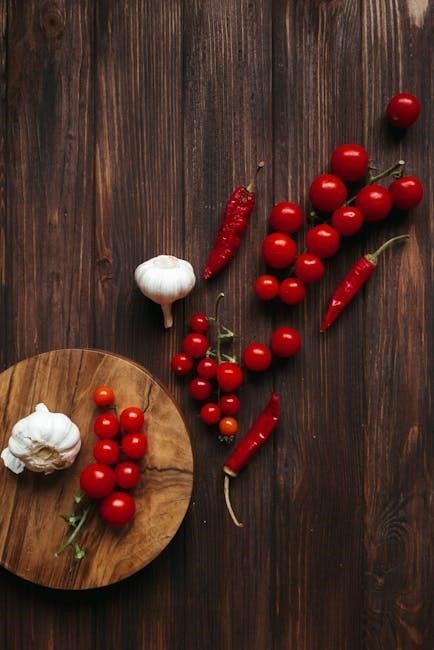
Top 10 Juicing Recipes for Weight Loss (PDF Focus)
Explore ten powerful juicing recipes, often compiled in convenient PDF guides, designed to boost metabolism and support weight loss goals.
Discover flavorful blends for optimal health!
Online calculators and AOL messaging issues are unrelated to juicing recipes.
Recipe 1: Green Detox Juice
This revitalizing Green Detox Juice is a cornerstone recipe frequently found in weight loss PDF guides. It’s designed to cleanse the system and provide a surge of nutrients. Combine 1 cup spinach, 1/2 green apple, 1/2 cucumber, 1/4 lemon (with peel), and a 1-inch piece of ginger.
Instructions: Wash all produce thoroughly. Roughly chop ingredients to fit your juicer’s feed tube. Juice all ingredients and stir well. Enjoy immediately for maximum nutrient absorption. This recipe yields approximately 12-16 ounces of juice. Many PDF resources suggest consuming this first thing in the morning for an energy boost and digestive support.
Benefits: Spinach provides vitamins and minerals, apple adds natural sweetness, cucumber hydrates, lemon aids digestion, and ginger boosts metabolism. This juice is a fantastic starting point for a juicing cleanse.

Remember, online calculators and AOL messaging issues are unrelated to this recipe.
Recipe 2: Beet & Apple Slimming Juice
The Beet & Apple Slimming Juice is a popular choice in numerous weight loss PDFs, celebrated for its vibrant color and potent health benefits. This juice combines 1 medium beet (with greens if available), 1 green apple, 1/2 lemon (with peel), and a small piece of ginger (about 1/2 inch).
Instructions: Thoroughly wash and scrub the beet. Chop all ingredients to a manageable size for your juicer. Juice all ingredients, ensuring the beet is processed efficiently. Stir well and consume immediately. This recipe typically yields around 10-14 ounces of juice. Many PDF guides recommend enjoying this juice 30 minutes before a meal to aid digestion and promote fullness.
Benefits: Beets are rich in nitrates, supporting blood flow and exercise performance. Apples provide fiber and sweetness, while lemon and ginger add flavor and digestive support.
Note that online calculators and AOL messaging problems have no connection to this juice.
Recipe 3: Carrot & Ginger Fat Burner
The Carrot & Ginger Fat Burner is frequently featured in weight loss PDFs as a metabolism-boosting elixir. This recipe utilizes 6-8 medium carrots, a 1-inch piece of ginger, 1/2 green apple, and a squeeze of lime juice. The combination is designed to ignite thermogenesis and support fat oxidation.
Instructions: Wash and peel the carrots. Peel the ginger. Core the apple. Juice all ingredients together. Stir well and consume within 20 minutes for maximum nutrient absorption. This recipe yields approximately 12-16 ounces of juice. Many PDF guides suggest consuming this juice in the morning to kickstart your metabolism.
Benefits: Carrots are high in beta-carotene and fiber. Ginger possesses thermogenic properties, while apple and lime add sweetness and vitamin C.
Remember, issues with online calculators or AOL mail are irrelevant to this recipe’s effectiveness.
Recipe 4: Grapefruit & Orange Metabolism Booster
The Grapefruit & Orange Metabolism Booster is a popular choice found in numerous weight loss PDF guides, celebrated for its vitamin C content and potential to enhance metabolic rate. This vibrant juice requires 1 large grapefruit, 2 oranges (preferably navel), and a small sprig of mint for added freshness.
Instructions: Peel the grapefruit and oranges, removing any pith. Roughly chop the fruit. Add the mint sprig. Juice all ingredients until smooth. Strain if desired. This recipe produces roughly 10-14 ounces of juice. Many PDFs recommend enjoying this juice before a workout for an energy boost.
Benefits: Grapefruit contains compounds believed to aid fat metabolism, while oranges provide essential vitamins and antioxidants. Mint adds a refreshing flavor and aids digestion.
Concerns about AOL messaging or online calculator functionality do not impact this recipe’s benefits.
Recipe 5: Spinach & Pineapple Cleanser
The Spinach & Pineapple Cleanser is a frequently featured recipe in weight loss PDFs, lauded for its detoxifying properties and delicious tropical flavor. This juice combines the nutritional power of leafy greens with the sweetness of pineapple. You’ll need 2 cups of spinach, 1 cup of pineapple chunks, and ½ a green apple for balance.
Instructions: Wash the spinach thoroughly. Core the pineapple and apple. Roughly chop all ingredients. Juice until smooth. Strain if a smoother consistency is preferred. This recipe yields approximately 12-16 ounces of juice. Many PDF guides suggest consuming this juice as a morning cleanse.
Benefits: Spinach is rich in vitamins and minerals, while pineapple contains bromelain, an enzyme aiding digestion. The apple adds natural sweetness and fiber.
Issues with online calculators or AOL access are irrelevant to this juice’s cleansing properties.
Recipe 6: Cucumber & Lemon Hydration Juice
The Cucumber & Lemon Hydration Juice is a staple in many weight loss PDFs, celebrated for its refreshing taste and hydrating benefits. This simple recipe focuses on promoting fullness and supporting metabolic function. You will require 1 large cucumber, 1 lemon (juiced), and a small piece of ginger (about 1 inch) for a zesty kick.
Instructions: Wash the cucumber thoroughly – peeling is optional. Juice the lemon. Peel and roughly chop the ginger. Juice all ingredients until well combined. This recipe typically produces around 10-14 ounces of juice. PDF guides often recommend drinking this juice throughout the day.
Benefits: Cucumber is incredibly hydrating and low in calories, while lemon aids digestion and provides Vitamin C. Ginger boosts metabolism.
Concerns about online calculators or AOL messaging do not impact this juice’s hydrating qualities.
Recipe 7: Apple, Celery & Ginger Juice
The Apple, Celery & Ginger Juice frequently appears in weight loss PDF guides, lauded for its balanced flavor profile and detoxifying properties. This recipe combines sweetness with subtle spice, making it palatable and effective. You’ll need 1-2 apples (Granny Smith recommended), 3-4 celery stalks, and a 1-inch piece of ginger.
Instructions: Wash all produce thoroughly. Core the apples (peeling optional). Chop the celery and ginger. Juice all ingredients until a smooth consistency is achieved. This yields approximately 12-16 ounces of juice; Many PDFs suggest consuming this juice as a mid-morning or afternoon pick-me-up.
Benefits: Apples provide natural sweetness and fiber, celery is hydrating and low-calorie, and ginger aids digestion and boosts metabolism.
Issues with online calculators or AOL access are irrelevant to this juice’s nutritional value.
Recipe 8: Berry Blast Weight Loss Juice
The Berry Blast Juice is a popular choice found in numerous weight loss PDFs, celebrated for its antioxidant richness and delicious taste. This vibrant juice combines various berries for a powerful nutritional punch. You’ll require 1 cup mixed berries (strawberries, blueberries, raspberries), ½ apple, and ½ cup water (optional, for consistency).
Instructions: Rinse the berries thoroughly. Core the apple (peeling optional). Combine all ingredients in a juicer and process until smooth. This recipe typically produces around 10-14 ounces of juice. Many PDF guides recommend enjoying this juice as a refreshing breakfast replacement.
Benefits: Berries are low in calories and high in fiber and antioxidants, while apples add natural sweetness and additional nutrients.
Concerns about online calculators or AOL messaging do not impact this juice’s health benefits.
Recipe 9: Kale, Apple & Lemon Detox
The Kale, Apple & Lemon Detox Juice is a staple in many weight loss PDF guides, lauded for its cleansing properties and invigorating flavor. This recipe focuses on detoxification and nutrient density. You’ll need 2 cups kale, 1 green apple, and the juice of ½ lemon. Some variations suggest adding a small piece of ginger for an extra boost.
Instructions: Wash the kale thoroughly, removing tough stems. Core the apple. Juice all ingredients together in a juicer. This yields approximately 12-16 ounces of juice. Many PDFs recommend consuming this juice first thing in the morning for optimal detox benefits.
Benefits: Kale is packed with vitamins and minerals, apples provide sweetness, and lemon aids digestion and detoxification.
Issues with online calculators or AOL access are irrelevant to this juice’s detoxifying qualities.
Recipe 10: Watermelon & Mint Refreshing Juice
The Watermelon & Mint Refreshing Juice is a hydrating and low-calorie option frequently featured in weight loss PDF resources. It’s perfect for summer or anytime you need a revitalizing drink. You’ll require 4 cups of cubed watermelon and 1/4 cup of fresh mint leaves. Some PDFs suggest adding a squeeze of lime for extra zest.
Instructions: Cut the watermelon into manageable pieces. Wash the mint leaves. Juice both ingredients together in a juicer. This recipe produces roughly 16-20 ounces of juice. Many PDF guides recommend enjoying this juice as a mid-afternoon snack to curb cravings.
Benefits: Watermelon is incredibly hydrating and low in calories, while mint aids digestion and provides a refreshing flavor.
Problems with online calculators or AOL messaging do not impact the juice’s hydrating properties.
Creating a Juicing Plan for Optimal Results
Maximize weight loss by integrating PDF-sourced recipes into a structured plan. Consistency is key; schedule juicing times and combine with a balanced diet for success!
Online calculator issues and AOL messaging problems are irrelevant to effective juicing plans.
Juicing Frequency and Timing
Establishing a consistent juicing schedule is crucial for realizing weight loss benefits. Utilizing PDF recipe collections allows for variety and prevents monotony, encouraging adherence. Consider starting with one juice per day, ideally replacing a less healthy snack or meal.
Timing matters; a morning juice can provide an energy boost and curb cravings, while an afternoon juice can prevent energy slumps. Avoid juicing immediately before bedtime due to the natural sugars.
Experiment with different frequencies – some find success with daily juicing, while others prefer a 3-5 day juice cleanse followed by maintenance. PDF guides often suggest tailored plans. Remember to listen to your body and adjust accordingly. Prioritize whole foods alongside juicing for sustained results.
Issues with online calculators or AOL messaging have no bearing on optimal juicing schedules.
Combining Juicing with a Balanced Diet
Juicing should complement, not replace, a well-rounded diet. PDF recipe books often emphasize this, showcasing how juices integrate with whole foods. Focus on incorporating lean proteins, healthy fats, and complex carbohydrates alongside your daily juice.
Think of juicing as a nutrient boost, filling gaps in your diet. A juice doesn’t contain the fiber of whole fruits and vegetables, so ensure adequate fiber intake from other sources like whole grains and legumes.
Utilize PDF guides to plan meals that synergize with your chosen juice recipes. For example, pair a green juice with a salad and grilled chicken. Sustainable weight loss requires a holistic approach, and juicing is a powerful tool within that framework.
Problems with scientific calculators or AOL access are irrelevant to dietary balance and juicing.

Potential Side Effects and Precautions
PDF recipe guides should advise moderation. Juicing can cause digestive upset due to low fiber. Monitor sugar intake and blood sugar levels carefully.
Online calculator functionality and AOL messaging issues are unrelated to juicing precautions.
Fiber Intake and Digestive Issues
Juicing, while beneficial, often removes the insoluble fiber found in whole fruits and vegetables. PDF recipe collections should emphasize this crucial difference and suggest strategies to mitigate potential digestive discomfort. A sudden increase in juice consumption without adequate fiber can lead to bloating, gas, and even diarrhea.
Consider incorporating fiber-rich foods into your diet alongside juicing, or explore recipes that include some pulp. Some PDF guides may offer tips on adding back fiber through supplements or combining juices with fiber-rich snacks. Pay attention to your body’s response and adjust your intake accordingly. Remember, a balanced approach is key to avoiding digestive issues while enjoying the benefits of juicing.
Online calculators and AOL messaging problems are irrelevant to fiber intake and digestive health.
Sugar Content and Blood Sugar Levels
Juicing concentrates the natural sugars from fruits and vegetables, potentially causing rapid spikes in blood sugar levels. PDF recipe resources should clearly indicate the sugar content of each juice and offer guidance for individuals with diabetes or insulin resistance. Prioritize recipes with a higher vegetable-to-fruit ratio to minimize sugar intake.
Carefully review ingredient lists within PDF guides and consider diluting juices with water to further reduce sugar concentration. Monitoring your body’s response to different juices is crucial. Be mindful of portion sizes and avoid consuming large quantities of juice at once. A balanced approach, combined with a healthy diet, is essential for maintaining stable blood sugar levels while enjoying juicing.
Online calculators and AOL messaging issues have no bearing on sugar content or blood sugar regulation.
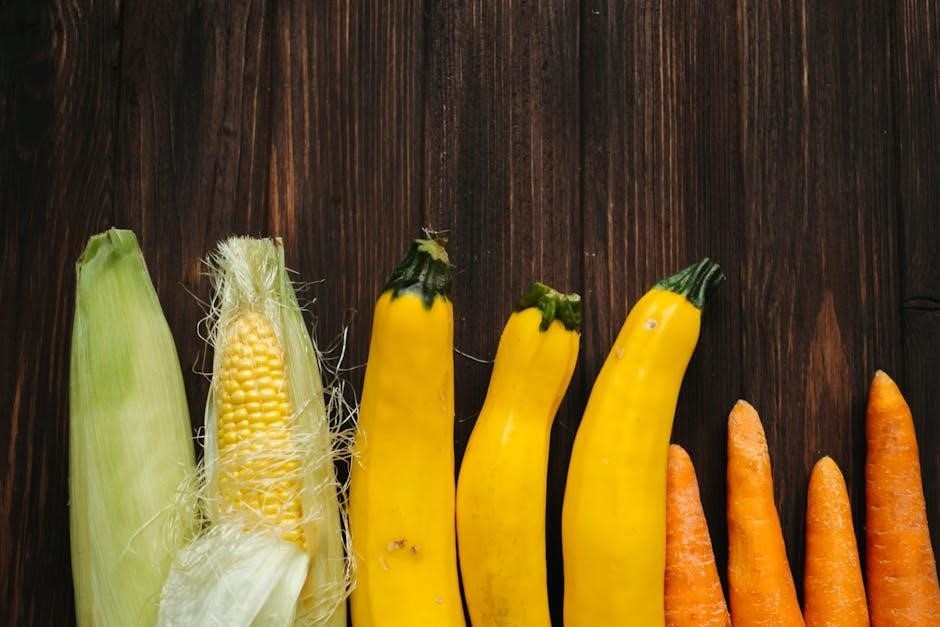
Resources for Juicing Recipes (PDF Downloads)
Numerous websites offer free juicing PDFs, while paid recipe books provide more specialized plans. Explore options for diverse weight loss recipes and nutritional guidance.
AOL messaging and online calculators are irrelevant to finding juicing resources.
Websites Offering Free Juicing PDFs
Several online platforms generously provide complimentary juicing PDFs, catering to various dietary preferences and weight loss goals. These resources often feature collections of recipes designed to boost metabolism, detoxify the body, and promote healthy eating habits;
Many health and wellness blogs regularly publish downloadable PDF guides with curated juicing recipes. Searching for terms like “free juicing recipes PDF” will yield a wealth of options. Be sure to check the source’s credibility before downloading. Some sites offer themed PDFs, such as “7-Day Green Juice Detox” or “Weight Loss Juice Cleanse.”
Additionally, recipe websites often have a dedicated section for downloadable content, including juicing guides. Remember to prioritize recipes with whole, unprocessed ingredients for optimal health benefits. While online calculators and AOL access are unrelated, free resources abound!
Paid Juicing Recipe Books (PDF Format)
Investing in premium juicing recipe books, often available in PDF format, can unlock a more comprehensive and curated experience. These resources typically offer detailed nutritional information, meal plans, and advanced recipes beyond basic combinations, specifically targeting weight loss.
Platforms like Amazon Kindle and other ebook retailers host a vast selection of juicing books in PDF format; Authors often specialize in specific dietary approaches, such as raw food or detox diets, providing tailored recipes. Expect higher-quality photography, detailed instructions, and potentially bonus content like shopping lists.
While free resources are valuable, paid books often offer a more structured and in-depth approach to juicing for health. Remember, reliable online calculators and stable internet access are unrelated to the value of a well-crafted recipe book!
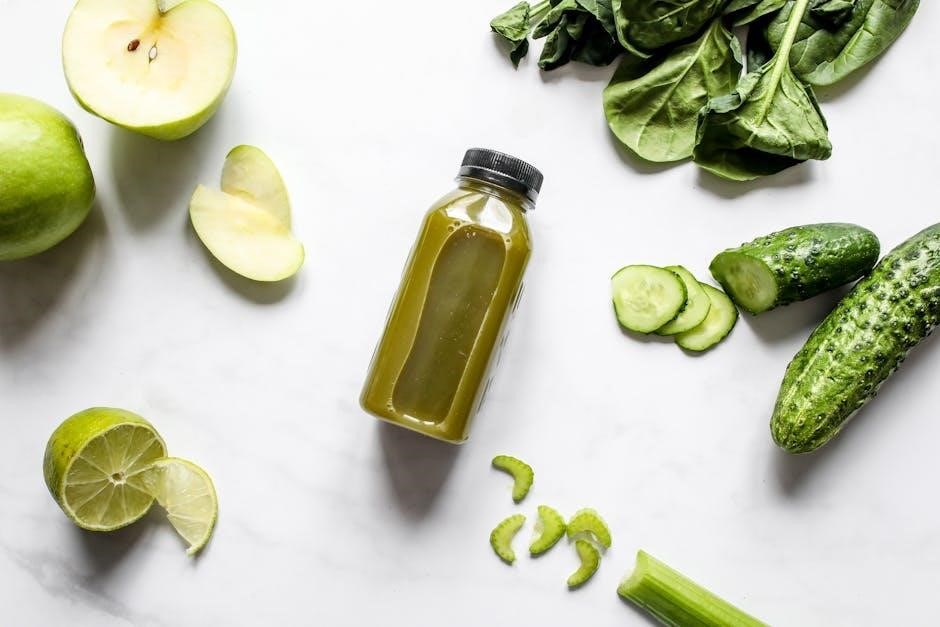
Juicing vs. Blending: Which is Better for Weight Loss?
Both juicing and blending can support weight loss, but they differ significantly. Juicing extracts the juice, removing fiber, resulting in a concentrated liquid. This allows for quicker absorption of nutrients, potentially aiding a short-term detox. Blending, however, retains the fiber, promoting satiety and digestive health.
For sustained weight loss, blending is often preferred due to the fiber content. PDF recipe collections often include both juiced and blended options, allowing for variety. Consider your goals: quick nutrient boost (juice) or sustained fullness (blend).
Remember, accessing recipes via PDF downloads or online calculators doesn’t dictate the method’s effectiveness. The key lies in choosing whole, unprocessed ingredients and maintaining a balanced diet alongside either approach.

Tips for Choosing a Juicer
Selecting the right juicer is crucial for a successful weight loss journey. Consider your budget and juicing frequency. Centrifugal juicers are faster and more affordable, ideal for beginners exploring PDF recipes. However, they generate heat, potentially diminishing nutrient content.
Masticating (slow) juicers extract more juice and preserve enzymes, beneficial for long-term health. They excel with leafy greens, common in weight loss recipes. PDF guides often specify ingredient suitability for each juicer type.
Prioritize ease of cleaning – a significant factor for consistent use. Ignore unrelated online tools like calculators or AOL messaging issues; focus on a juicer that fits your lifestyle and recipe preferences.